Ecobalyse 2026 Packaging Guide: Impact Calculation
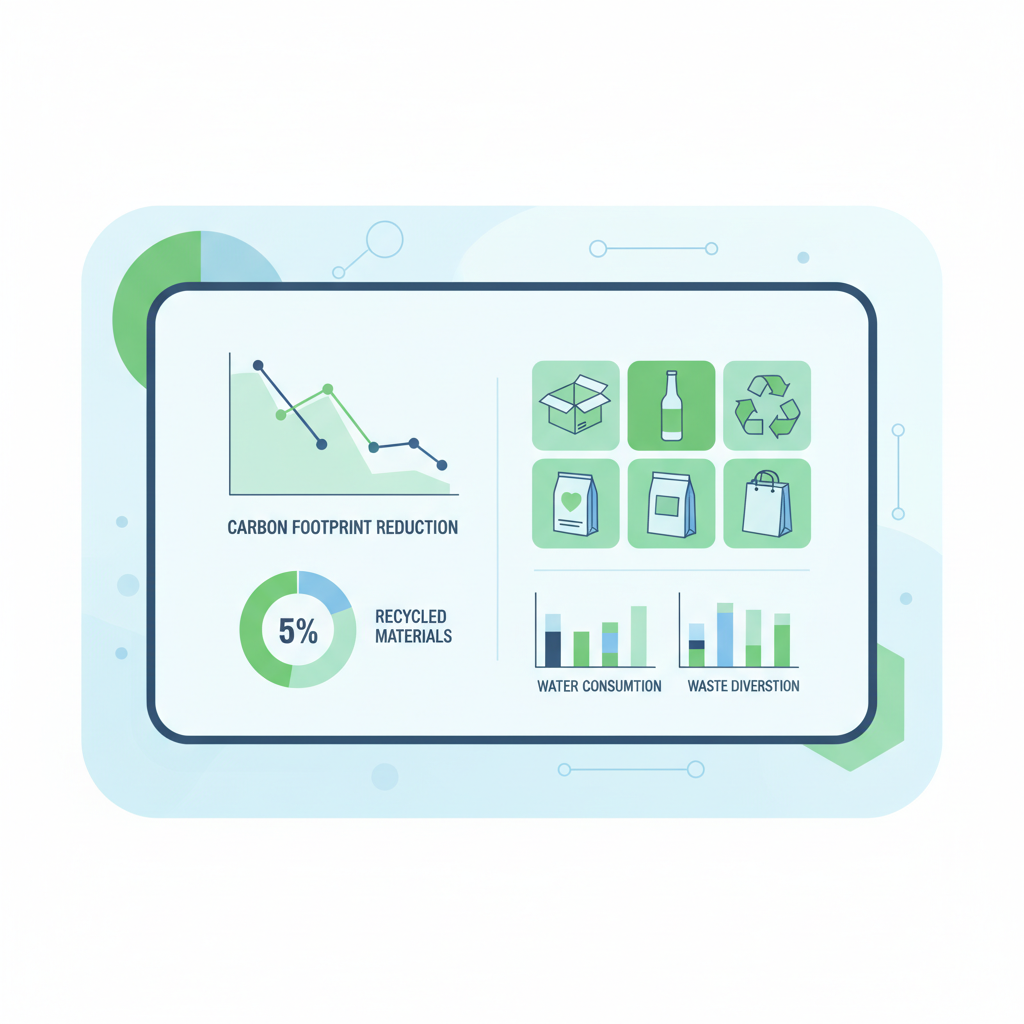
Environmental labeling will become mandatory in 2026 for food packaging in France. In this context, Ecobalyse has established itself as the benchmark tool developed by ADEME to calculate the environmental impact of packaging. This free government platform enables companies to comply with new regulatory requirements while optimizing their packaging strategy.
With the European PPWR regulation coming into force in August 2026 and the new obligations under the AGEC law, manufacturers must now control the environmental cost of their packaging. Since 2025, 100% of French residents have been able to sort all packaging, marking an acceleration in the transition to a circular economy. This comprehensive guide will help you use Ecobalyse to anticipate these major changes.
What is Ecobalyse and why use it in 2026?
Ecobalyse is a free digital tool developed by La Fabrique Numérique de l'Écologie (MTE) in partnership with ADEME. It calculates the environmental impact of food products and their packaging using the Life Cycle Assessment (LCA) method. The tool incorporates the Agribalyse database, the French benchmark for the environmental assessment of agricultural and food products.
In 2026, several regulations will converge towards mandatory environmental labeling. The Climate and Resilience Act will gradually require the environmental cost of food products to be displayed. At the same time, the new extended producer EPR professional EPR will come into force on July 1, 2026, extending the obligations of extended producer responsibility.
For businesses, Ecobalyse offers three major advantages. First, it provides a standardized method for assessing environmental impact that is recognized by public authorities. Second, it allows companies to anticipate regulatory requirements for 2026 by calculating environmental scores now. Third, it helps identify ways to optimize packaging in order to reduce its carbon footprint.
How to calculate the environmental impact of your packaging with Ecobalyse
Impact calculation in Ecobalyse follows a structured approach consisting of four main steps. (1) Selection of the food product from the Agribalyse database, (2) definition of packaging characteristics (materials, weights, dimensions), (3) specification of distribution parameters (transport, storage), (4) calculation of the overall environmental score expressed in impact points.
The necessary data includes the precise composition of the packaging (plastic, cardboard, metal, glass), the weight of each material, the dimensions of the packaging, and logistical information. All stages are considered, from field to plate, including packaging, according to the comprehensive LCA methodology integrated into the tool.
The interpretation of the results is based on a composite score that aggregates 16 environmental impact indicators (climate change, resource depletion, ecotoxicity, etc.). The lower the score, the lower the environmental impact. This approach makes it possible to compare different packaging solutions and identify priority optimizations.
New packaging regulations for 2026

The AGEC law and its implementing decrees are transforming the regulatory landscape for packaging. The 3R decree (Reduce, Reuse, Recycle) imposes quantified targets for reducing single-use plastic packaging. The 2026 regulation imposes a minimum recyclability rate of 70% for certain categories of packaging, marking a break with current practices.
The European PPWR regulation, applicable from August 2026, harmonizes packaging requirements across Europe. It modifies the definition of packaging producer and strengthens recyclability obligations. The PPWR 2026 tariffs include bonuses and penalties based on environmental performance, providing a financial incentive for eco-design.
The new professional EPR , effective July 1, 2026, extends the scope of responsibility to industrial and commercial packaging. This extension applies to transport, grouping, and protective packaging used in B2B channels. Producers must now declare and contribute financially to the management of this professional packaging waste.
Practical guide: using Ecobalyse for your food packaging

Creating an Ecobalyse account is free of charge on the ecobalyse.beta.gouv.fr platform. The simplified user interface guides users step by step through the impact calculation process. For your first calculation, select a food product that is representative of your range and enter the packaging characteristics accurately.
Packaging optimization is based on a comparative analysis of Ecobalyse results. Test different alternatives: reducing weight, substituting materials, optimizing dimensions, integrating recycled materials. Recent innovations include films containing 50% recycled material and natural rubber adhesives, significantly reducing environmental impact.
Preparing for environmental labeling requires a methodical approach. Document your Ecobalyse calculations, build a database of scores by product reference, and prepare customer communication materials. This foresight will put you in a favorable position with regard to the EPR reporting requirements.
Anticipating the future: towards a circular economy for packaging
Trends for 2026-2030 confirm the acceleration towards a circular economy for packaging. The gradual extension of environmental labeling to other sectors, the strengthening of European recyclability targets, and the emergence of new EPR sectors EPR the regulatory future. The convergence of national tools towards harmonized European standards facilitates cross-border compliance.
Innovations in sustainable packaging are multiplying: biomaterials, edible packaging, industrialized reuse solutions. These technologies rely on Ecobalyse metrics to validate their environmental benefits. The integration of artificial intelligence into impact calculation tools, as developed by CompliancR , democratizes access to eco-design.
Public support is accompanying this transition. ADEME offers funding for eco-design of packaging, regions are developing specialized support programs, and eco-organizations are strengthening their technical advisory services. This collective dynamic facilitates the adoption of tools such as Ecobalyse by companies of all sizes.
FAQ
Is Ecobalyse mandatory for calculating the environmental impact of packaging?
Ecobalyse is not legally binding, but it is the benchmark tool recognized by the French authorities. Using it guarantees compliance with official methodologies and facilitates regulatory checks. Companies can use other certified LCA tools, but Ecobalyse offers the advantage of being free and aligned with French standards.
How does Ecobalyse take into account the specific characteristics of my packaging?
The tool allows users to customize numerous parameters: precise material composition, weights, dimensions, surface treatments, and logistics circuits. The database includes more than 200 packaging materials with their environmental characteristics. For specific cases not covered, ADEME offers technical support to adapt the calculations.
When should I use Ecobalyse to prepare for the 2026 obligations?
It is recommended that you start now to prepare for mandatory environmental labeling. A period of 6 to 12 months will allow you to gradually optimize your packaging and build a comprehensive database. This advance preparation will help you avoid regulatory rushes and identify opportunities for improvement.
Can Ecobalyse help me reduce my EPR eco-contributions EPR
Indirectly, yes, because the environmental optimization identified via Ecobalyse (weight reduction, improved recyclability, material substitution) has a positive impact on eco-contribution scales. Future bonus-malus systems will incorporate environmental impact criteria, making Ecobalyse calculations directly useful for optimizing EPR costs.